Smart City Development Across Regions: Lessons from Dubai, Singapore, and Arab Cities
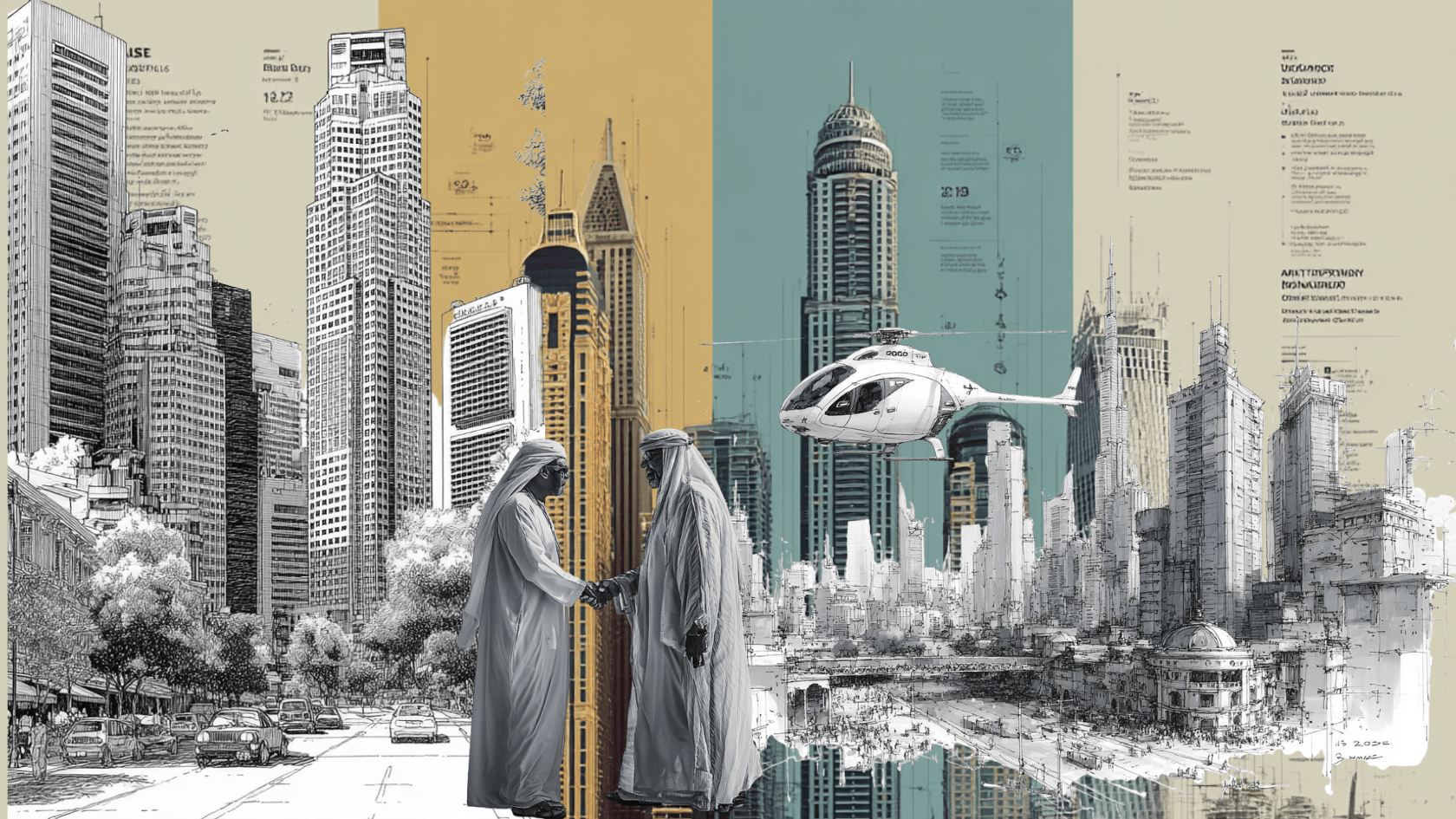
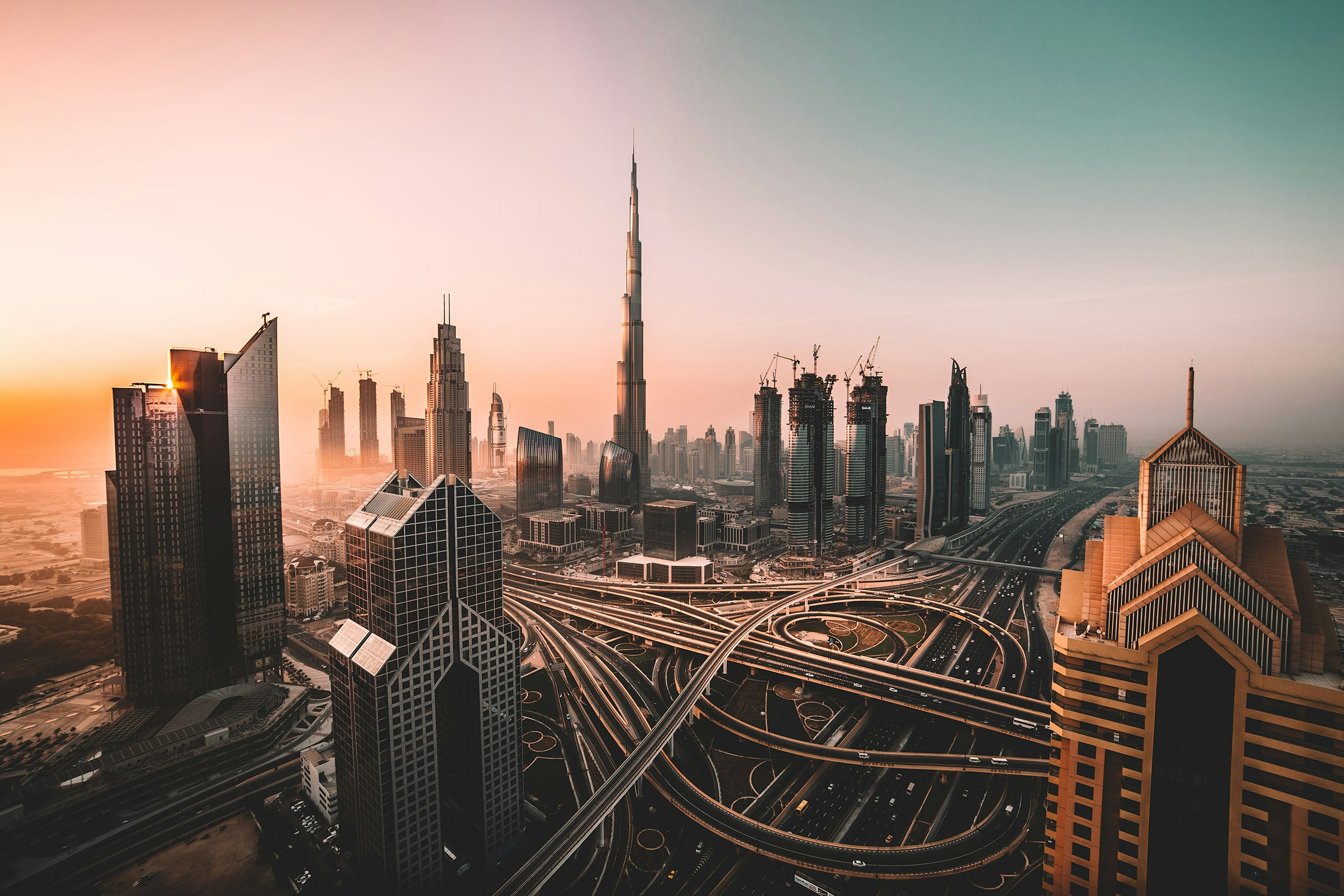
Dubai and Singapore share a striking modern aesthetic: high-rise towers of glass and steel, sprawling freeways, luxury shopping plazas, and exclusive marinas. Yet beyond their skyline similarities, both cities function as strategic hubs for regional and global flows of capital, goods, talent, and information. This positioning has enabled them to emerge as leaders in smart city development, not merely as technology adopters, but as cities competing for relevance, investment, and influence.
In 2025, Dubai ranked fourth and Singapore tenth in the annual Smart City Index published by the Institute for Management Development. While rankings offer useful benchmarks, they raise a more consequential question for policymakers, investors, and businesses: what makes a city truly "smart," and why have globally connected hubs prioritised these strategies?
Smart cities deploy digital technologies and data to enhance infrastructure, public services, and quality of life. They integrate artificial intelligence, big data analytics, the Internet of Things, and digital public services to reduce friction in everyday urban life. In practice, smart city strategies aim to boost productivity, improve governance, and strengthen economic competitiveness while supporting citizen well-being.
Singapore’s smart city vision, articulated in its 2014 Smart Nation White Paper, centres on creating meaningful and fulfilled lives enabled by technology. The strategy rests on four pillars: economy, society, government, and security. With the launch of Smart Nation 2.0 in 2024, Singapore has shifted towards using artificial intelligence as an empowerment tool, complementing its mature digital public service ecosystem. This approach positions the city as a platform—where citizens, businesses, and government interact through trusted, integrated systems.
Dubai’s Smart Dubai initiative, launched in the same year, reflects a different philosophy. It frames the smart city as a high-performance urban machine designed to drive economic growth. The strategy emphasises public–private partnerships and positions smartphones as the primary interface between residents and government, significantly reducing physical interactions. While framed around happiness and well-being, Dubai’s model prioritises infrastructure efficiency, speed of execution, and private sector-led innovation over deliberative, citizen-centric service design.
Developments across the Arab world provide further insight into smart city trajectories. Cities including Abu Dhabi, Riyadh, Cairo, Dubai, and Rabat were tracked in the IMD–SUTD Smart City Index between 2019 and 2023. Key findings indicate that Dubai and Abu Dhabi lead in both technology and infrastructure readiness, Riyadh is improving rapidly, while Cairo and Rabat continue to face structural constraints.
Across these cities, technology adoption frequently outpaces physical infrastructure due to higher capital costs and longer development timelines. Health and safety systems consistently rank highly, while mobility remains a persistent structural challenge. Notably, cities that enable citizen participation through digital platforms—such as Saudi Arabia’s Absher and Balady, or Abu Dhabi’s Tadweer and Hafilat—tend to perform better across both technological and structural dimensions.
These findings reinforce a critical principle: technology and infrastructure are interdependent. Digital systems can improve infrastructure efficiency, while robust physical infrastructure enables the scaling of advanced technologies. Equally important, citizen engagement emerges as a decisive factor in sustaining smart city performance over time.
Singapore and Dubai therefore represent two ends of a strategic spectrum. Singapore prioritises citizen experience, trust, and institutional coherence, while Dubai prioritises infrastructure optimisation and economic competitiveness. Evidence from Arab cities suggests that the strongest outcomes occur when technology, infrastructure, and citizen participation advance in tandem.
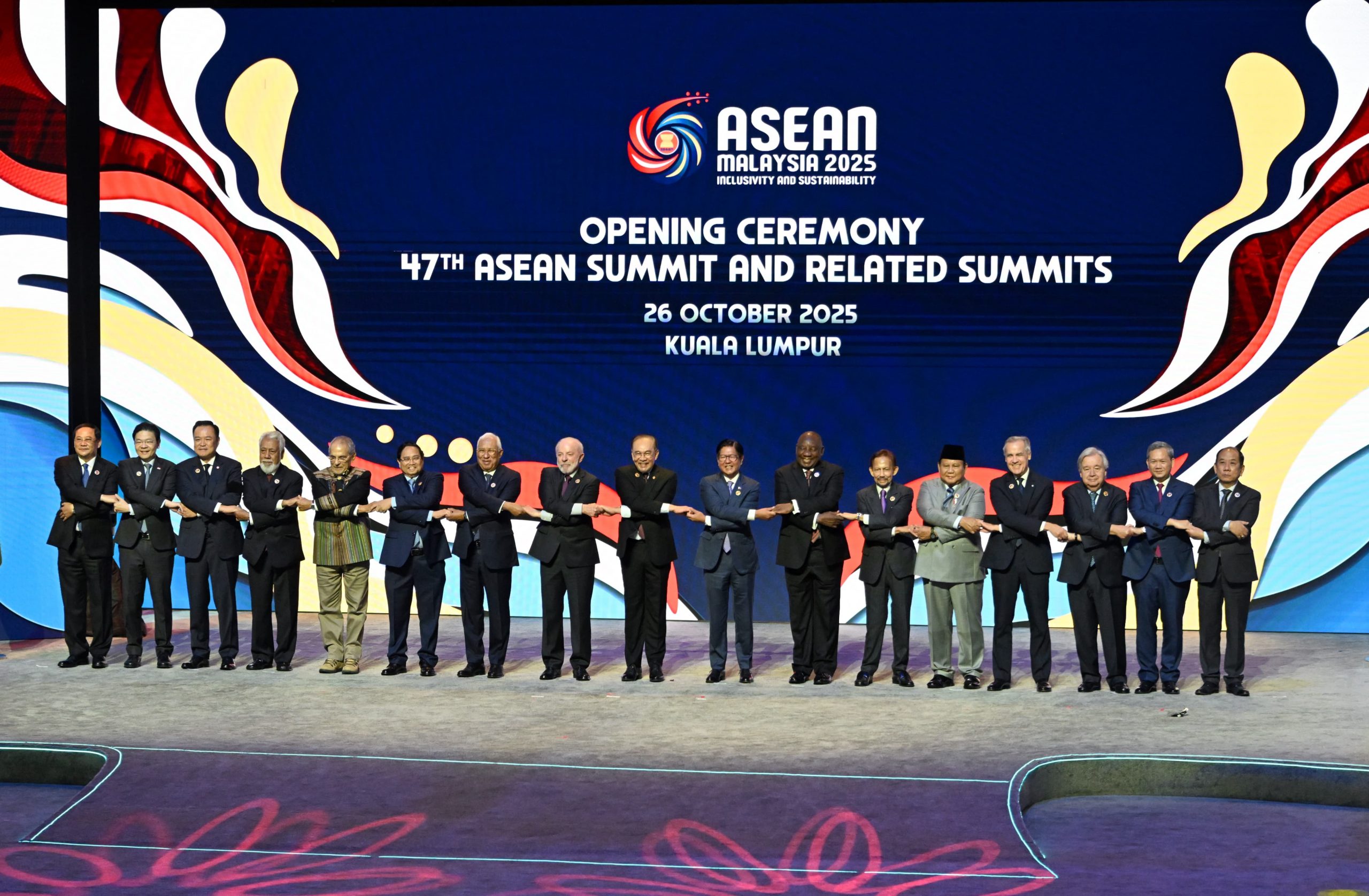
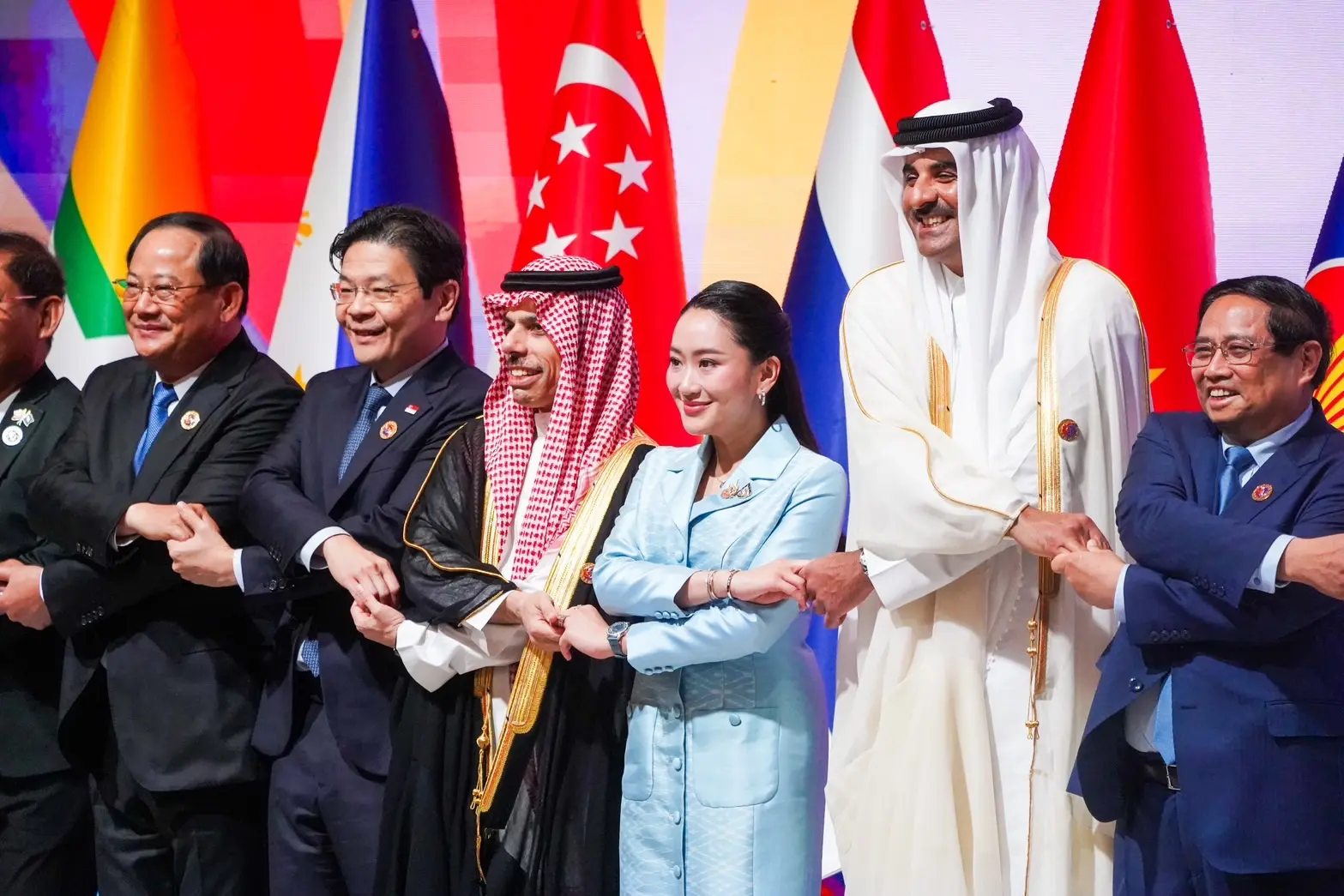
Global connectivity remains a foundational enabler of smart city success. Assets such as Changi Airport and Dubai International Airport, alongside Jurong and Jebel Ali ports, demonstrate how logistics, trade, and mobility infrastructure anchor innovation ecosystems. For cities across the Gulf–ASEAN corridor, smart city strategies must align digital innovation with trade flows, talent mobility, and regional integration.
Smart city development is ultimately not a technological exercise, but a governance and investment challenge. Dubai, Singapore, and Arab cities illustrate that interdependent investment in digital systems, physical infrastructure, and people-centred policies drives durable urban competitiveness. As cities across the Gulf, Southeast Asia, and beyond pursue smart strategies, long-term success will depend on maintaining this balance—ensuring that digital advancement serves both efficiency and human well-being.
________
The author, Alex Lew is a WSD-Handa Fellow at the Pacific Forum and an EMJMD scholar at the University of Groningen, focusing on smart city development, climate-resilient urban planning, and cross-regional cooperation between Southeast Asia and the Gulf. His work sits at the intersection of policy, technology, and sustainable urban transformation.