What Al Ghurair Teaches About Capital That Endures
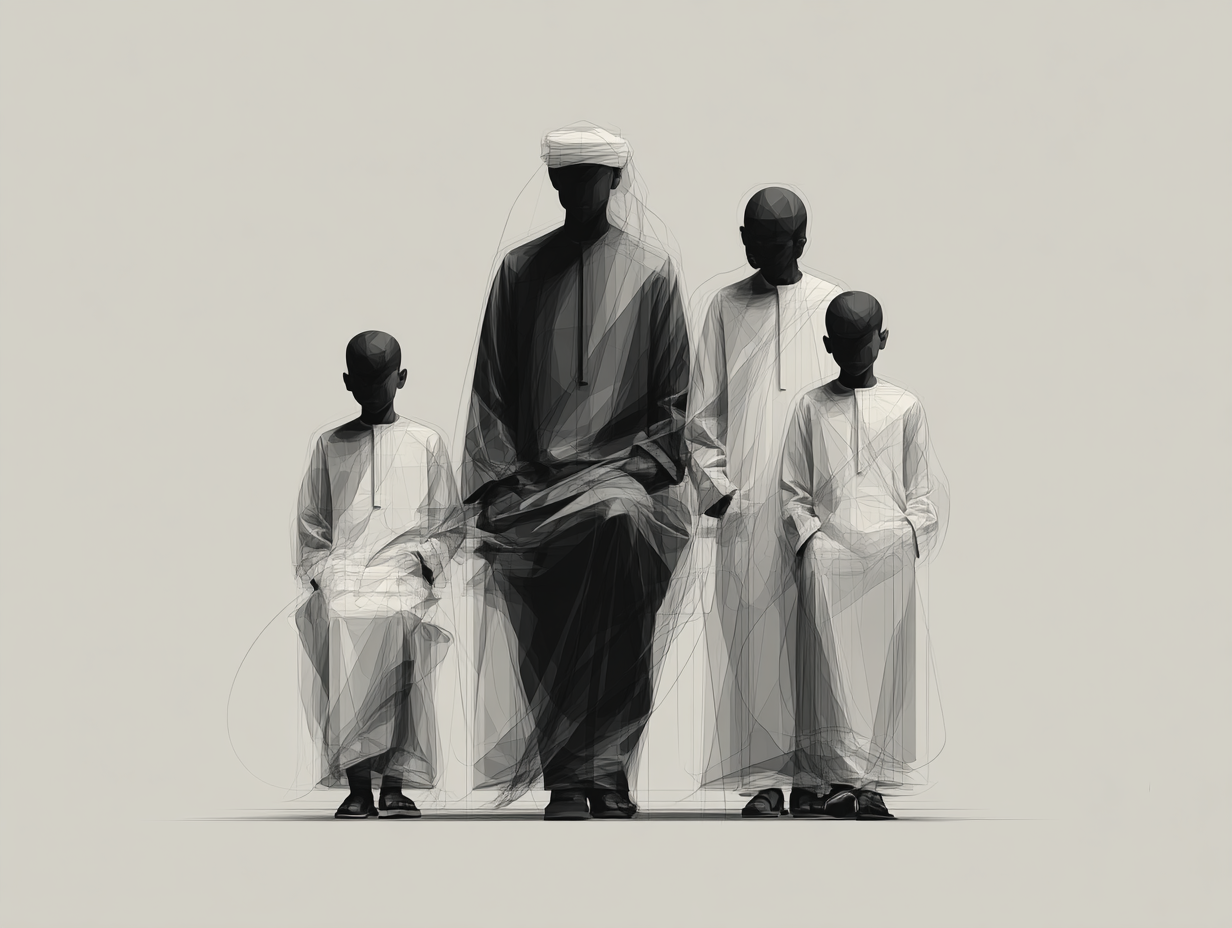
In a region often associated with rapid growth and high-profile investments, Al Ghurair offers a more understated but enduring lesson: that capital can last across generations when it is anchored in purpose, not just performance.
This is not a story of flashy bets or headline-making exits. It is one of steady evolution, driven by a family that has consistently adapted to change while holding firm to clear principles about risk, responsibility, and long-term relevance.
From Merchant Roots to Builders of Industry
Al Ghurair’s story begins in the mid-20th century, when the family transitioned from traditional trading into helping shape the UAE’s early industrial and financial landscape. Over time, they expanded into a diverse range of sectors including food production, real estate, mobility, construction materials, and banking.
One of their early strategic decisions was to invest in foundational sectors of the national economy. Their stake in Mashreq Bank and one of the country’s first cement producers was not about timing the market, but about long-term alignment with the UAE’s urban development and economic growth.
Patient Capital as Practice, Not Branding
What makes Al Ghurair’s approach noteworthy is the clarity of its investment philosophy.
Their capital is managed in two distinct streams. One focuses on strategic holdings in core businesses that the family continues to grow over time. The other, held by the family office, is invested with a view to long-term appreciation rather than short-term gains.
Their definition of enduring capital involves steady, compounding growth: businesses that produce food for the region, real estate that becomes part of the urban fabric, and banks that support private enterprise. Their diversified portfolio complements these holdings but is managed within a disciplined risk framework aimed at preserving wealth across generations.
Learning from Crisis Without Losing Direction
Like many Gulf business groups, Al Ghurair experienced the highs and lows of Dubai’s real estate cycles and the broader global financial crisis. These periods of volatility led to stronger governance, more diversification, and increasingly professional investment structures.
What stands out is that the response was not to pull away from core assets. Instead, they rebalanced. While still maintaining larger-than-average exposure to real estate and private equity compared to global peers, they began to invest more selectively in sectors such as technology, infrastructure, and renewable energy.
They responded to volatility with adaptation, not overreaction.
Investing in What Holds Societies Together
Another notable feature of the group’s approach is its focus on sectors that are integral to daily life. From cement and packaged foods to banking, education, insurance, and housing, their investments are embedded in the basic infrastructure of society.
More recently, the family has also supported initiatives in agri-tech and food security. These investments connect private capital to broader national priorities, supporting regional resilience in sectors like food supply, logistics, and essential services. The family’s name may not appear on every venture, but the impact of their capital is felt across key pillars of the economy.
Blending Continuity with Relevance
Perhaps the most useful lesson lies in how the family balances heritage with progress.
Al Ghurair is often cited as a case of how legacy can coexist with innovation. The founding narrative of merchants and builders still shapes the group’s values, but the tools and tactics have evolved. Governance has become more professional, the portfolio more global, and the asset classes more diverse.
Yet the underlying philosophy has remained focused. Wealth is not treated as a commodity to be traded, but as a long-term project with responsibilities attached.
For families and regions looking to build capital that lasts, especially in Southeast Asia, the implication is clear. Endurance comes not just from smart investing, but from a consistent willingness to finance the foundational parts of an economy, to stay the course through market cycles, and to modernize operations without abandoning core principles.
Further Reading and Sources
- Al Ghurair Investments Overview (strategic vs portfolio, long‑term focus)
- Al Ghurair Group Profile and Sectors
- ShunyataX Feature on Al Ghurair Family Office and Dubai’s Economic Backbone
- CFA Institute Insight on Agritech and Food Security in the Middle East
- Overview of the UAE Family Office Landscape
- Al Ghurair Group Wikipedia (background and sector coverage)
.jpeg)