Is Saudi Really Hard, or Just Different?
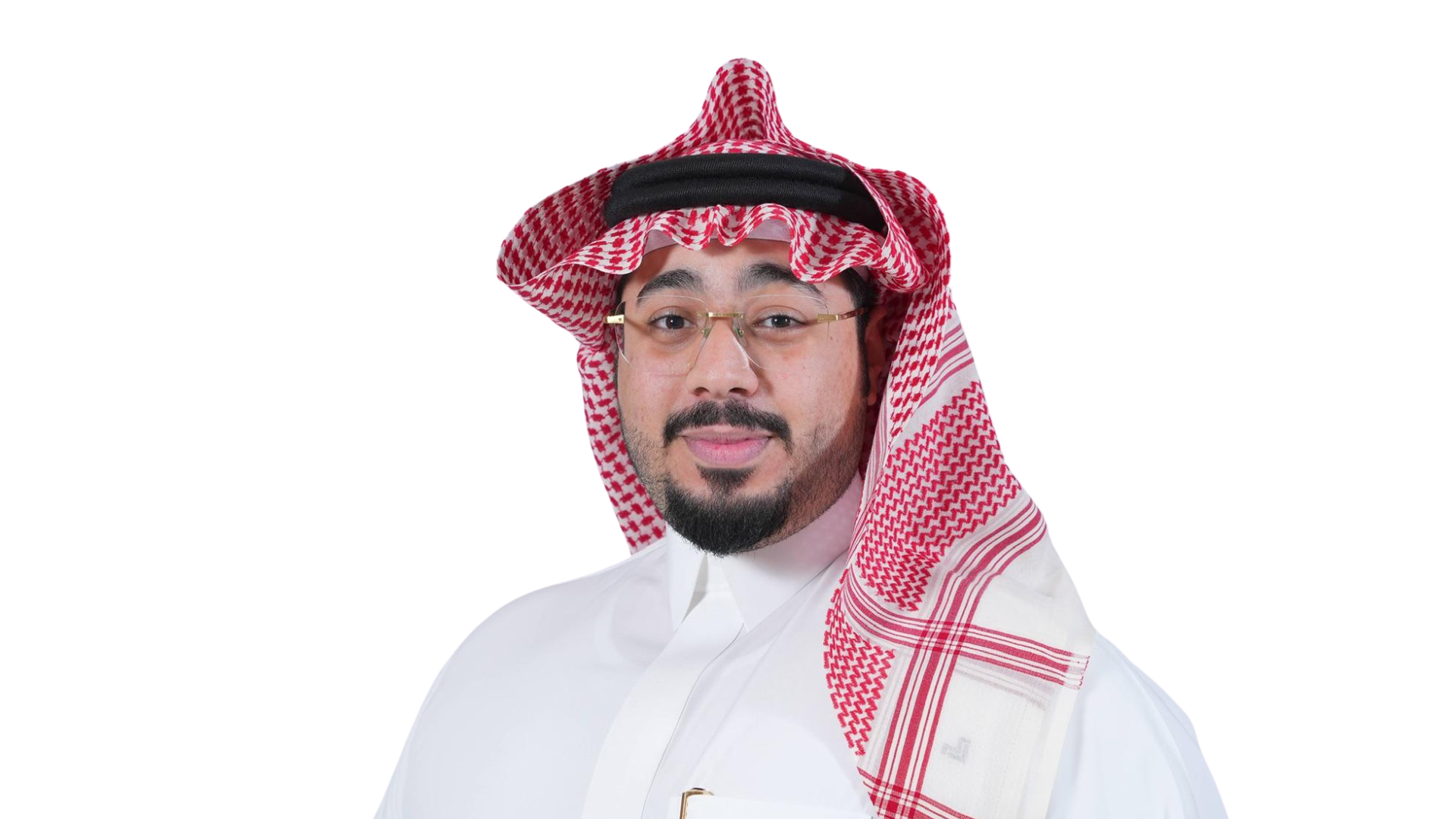
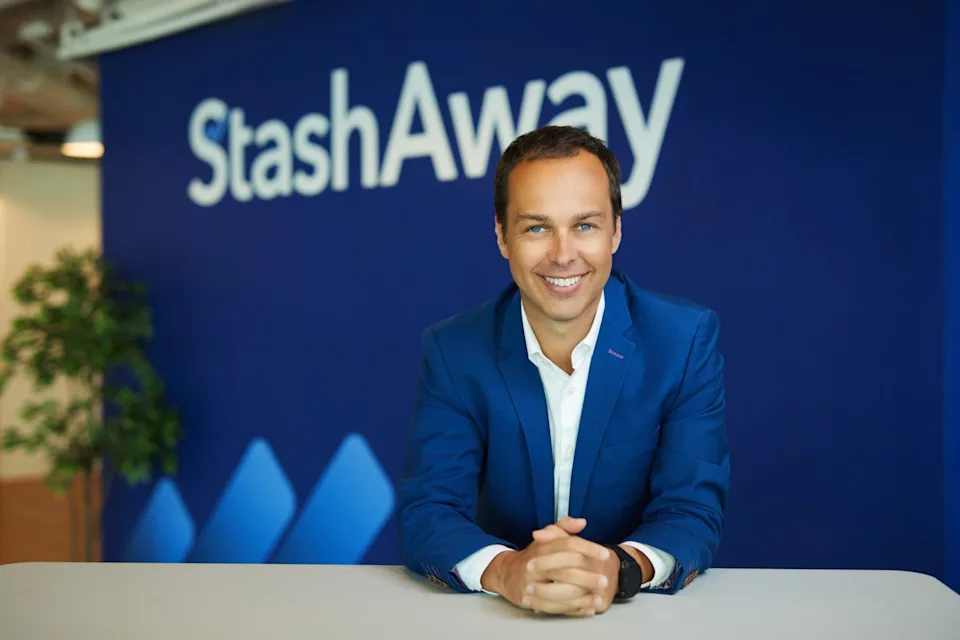
A feature interview with Mohammed Bashammakh, General Manager of Bashammakh & Co.
For many Southeast Asian entrepreneurs, expanding into Saudi Arabia still comes with a familiar warning: Saudi is hard. Compared to Dubai’s free zones and fast-track setups, Saudi is often described as slower and more complex. But according to Mohammed Bashammakh, General Manager of Bashammakh & Co., this view is based more on assumptions than facts. In this interview, Bashammakh breaks down the realities of doing business in Saudi and offers practical insights for ASEAN founders looking to enter the market with clarity and confidence.
1. Is Saudi really that difficult?
“Saudi is not difficult if you understand how it is structured and how decisions are made,” says Bashammakh.
He explains that the rules are clear, and if followed correctly, a company can be fully set up within days. The real challenge comes when foreign companies try to navigate the process without local guidance, or rely on consultants who do not understand how the system works.
“Many businesses come in with expectations shaped by other markets. They assume what worked elsewhere will work here. That is usually where the problems begin.”
In his view, the perception of difficulty often comes from unfamiliarity, not from the system itself.
2. Why does the process feel slower than Dubai?
Saudi’s business setup process is often seen as more deliberate, and according to Bashammakh, that is intentional.
“Saudi is a large and serious market. It is not built for short-term or experimental entries. It is designed to attract businesses that are ready to commit.”
The system is not overly restrictive, but it does favour companies that have a proven business model and a long-term view. It creates natural filters that attract serious players and discourage speculative or opportunistic entrants.
“What some people see as friction is actually a signal. Saudi wants to work with companies that are here for the long run, not just to test the waters.”
3. What about free zones? Why does Saudi feel different?
ASEAN founders are often used to free zones as a way to test a market with limited risk. Bashammakh acknowledges this difference.
“Saudi does have economic zones, but they are mostly aimed at large strategic investors. The general approach is different from what you see in Dubai.”
Instead of offering temporary or low-commitment setups, Saudi offers full access to its national market. In exchange, it expects companies to operate locally, hire Saudi talent, and contribute to the broader economy.
“The message is clear. You are welcome, but be ready to integrate, not just participate.”
4. After licensing, what really matters?
Many companies assume that once they are licensed, things will start moving quickly. Bashammakh cautions against this mindset.
“Licensing is just the beginning. What matters more is your presence and how visibly committed you are.”
He explains that once a company is operational, the government touchpoints are mostly predictable, such as payroll filings or regulatory updates. But real business momentum depends on trust, and that trust comes from being physically present or showing clear investment in the market.
“When clients see you are on the ground, with a local team or office, their willingness to work with you increases. It is not symbolic. Presence builds credibility.”
5. What should SMEs know about timing?
For founders concerned with speed, burn rate, and ROI timelines, Saudi may feel slower than expected. Bashammakh suggests reframing this idea.
“It is not about speed. It is about sequence. If you do things in the right order, you move faster and avoid costly mistakes.”
He encourages SMEs to treat the first phase as a foundation period. This includes setting up the right structure, hiring carefully, and building market alignment before scaling aggressively.
“Those who respect the sequence usually reduce unnecessary burn and get better long-term outcomes.”
6. What mindset shift is most important?
If Bashammakh could speak to an ASEAN founder before they start the process, his advice would be simple.
“Saudi is not a testing ground. It is a scaling market.”
He emphasises that companies should enter when they are ready to commit, not when they are still figuring out their business model. Saudi rewards preparation, seriousness, and consistency.
“For businesses that are ready to invest, operate locally, and grow with the country, the opportunity is unmatched.”
About Bashammakh & Co.
Bashammakh & Co. is a Saudi-based professional services firm that helps international and regional businesses with investment licensing, market entry, and regulatory compliance. The firm supports clients across sectors with structured, locally grounded advice.
.png)