A Lo Hei That Says Something About the Saudi–Singapore Corridor
.png)
Last Friday’s Saudi–Singapore Community Lo Hei gathering was, on the surface, a Chinese New Year dinner.
In reality, it felt like watching something quietly assemble itself. A growing group of founders, advisors, and operators actively exploring opportunities between Singapore and Saudi Arabia, not just adding the Gulf to their proposal slides.
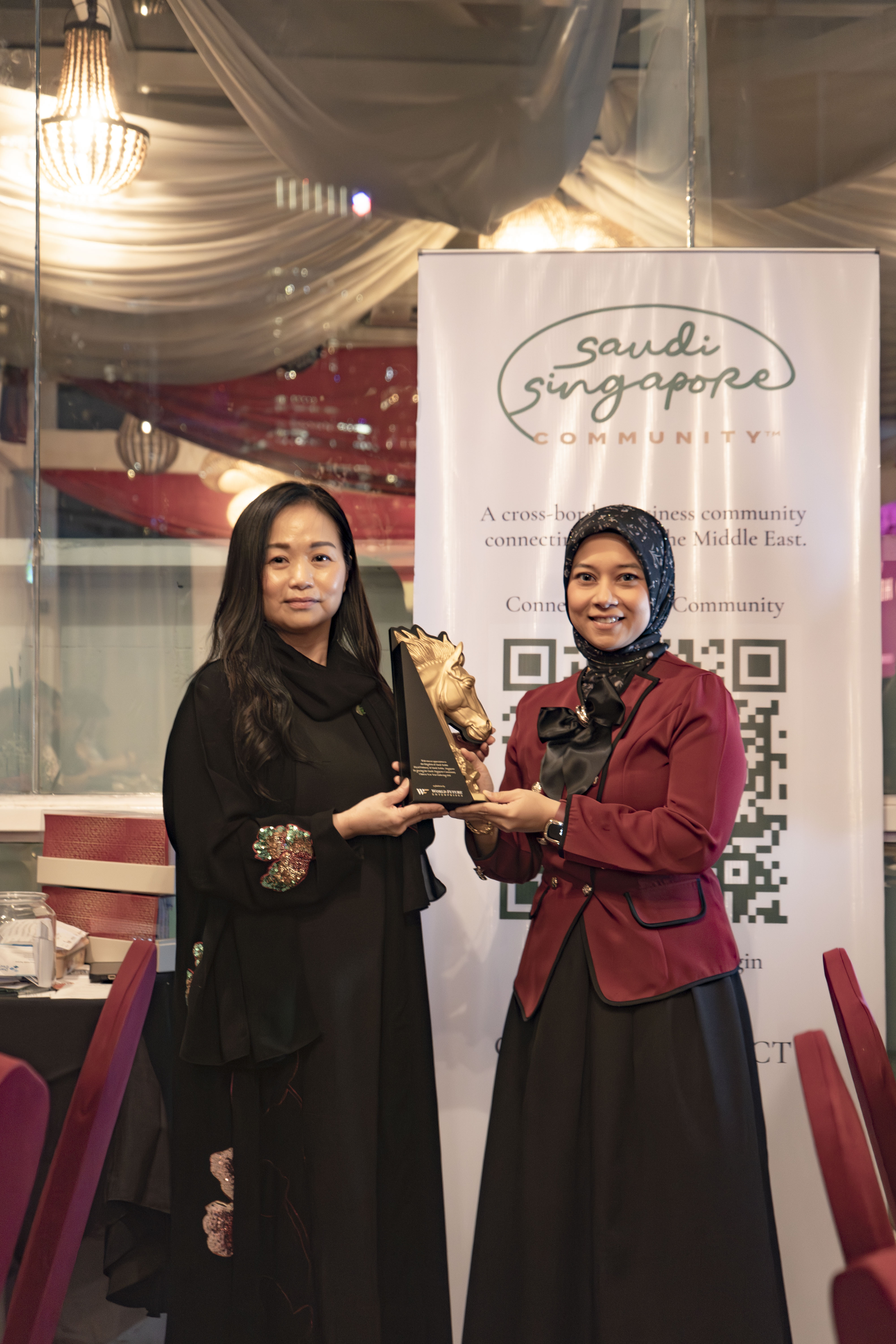
Organised by Tonya Tan of World Future Enterprises, the evening brought together business leaders and practitioners across sectors for an informal but intentional exchange. Held at LOONG’s DS Restaurant, the setting was relaxed. The conversations, less so.
A Different Kind of Networking
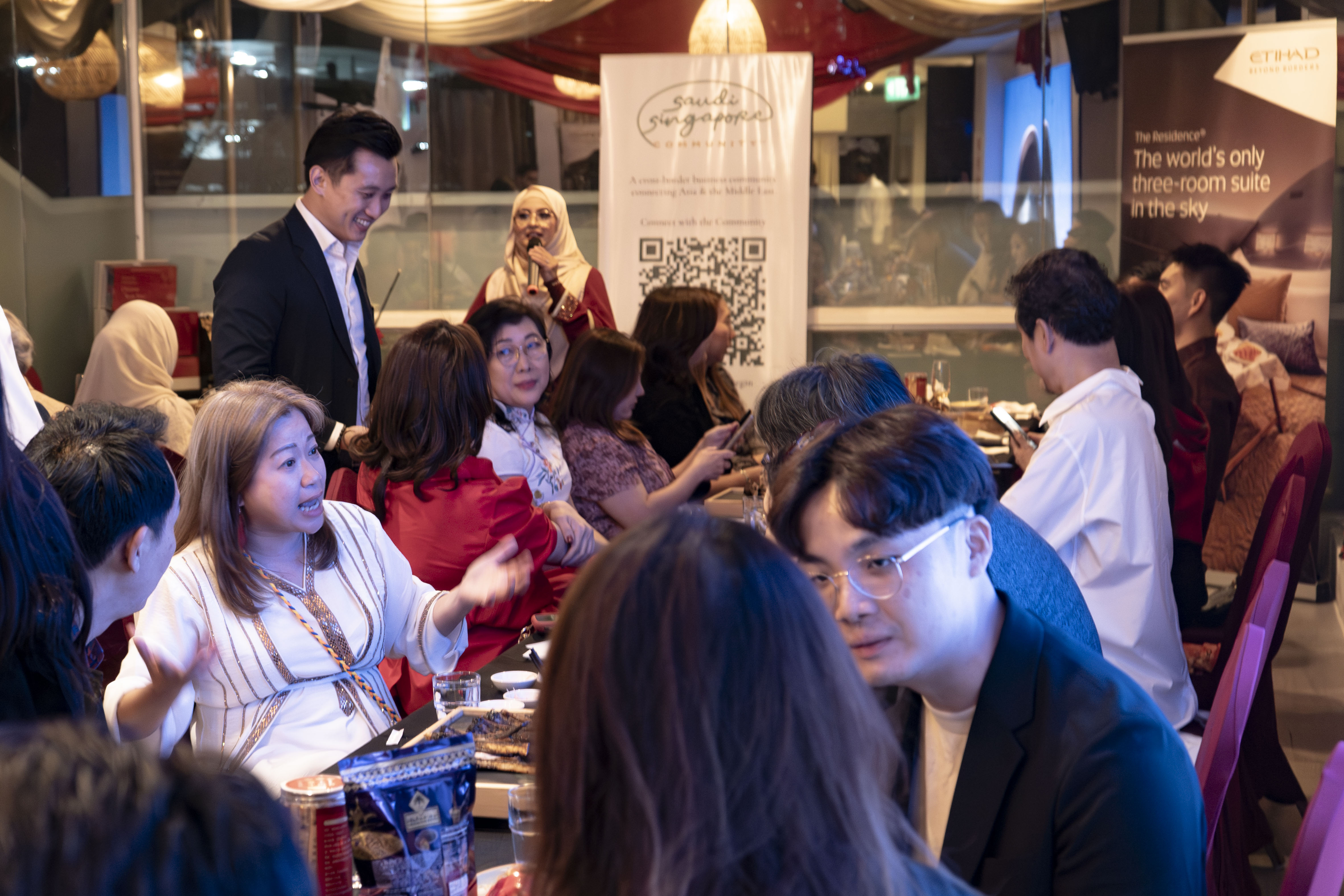
The room wasn’t filled with first-time curiosity seekers collecting name cards for later. Many attendees were already working across markets or trying to figure out how Saudi fits into their next phase of growth.
Among those present were Kaharuddin Mahmud (SWAPAC), Rusyaidi Radzi (Singapore Business Federation), Abdulhaq Mohammed (Trowers & Hamlins), H.K. Teng, and Jansen Chew (Lam Kee Fisheries), alongside founders and investors navigating the Gulf opportunity from different starting points but similar questions.
Former Senior Minister of State Zainul Abidin Rasheed and Nadiah Saadon also joined the evening, a reminder that relationships between regions still move through people long before policy catches up.
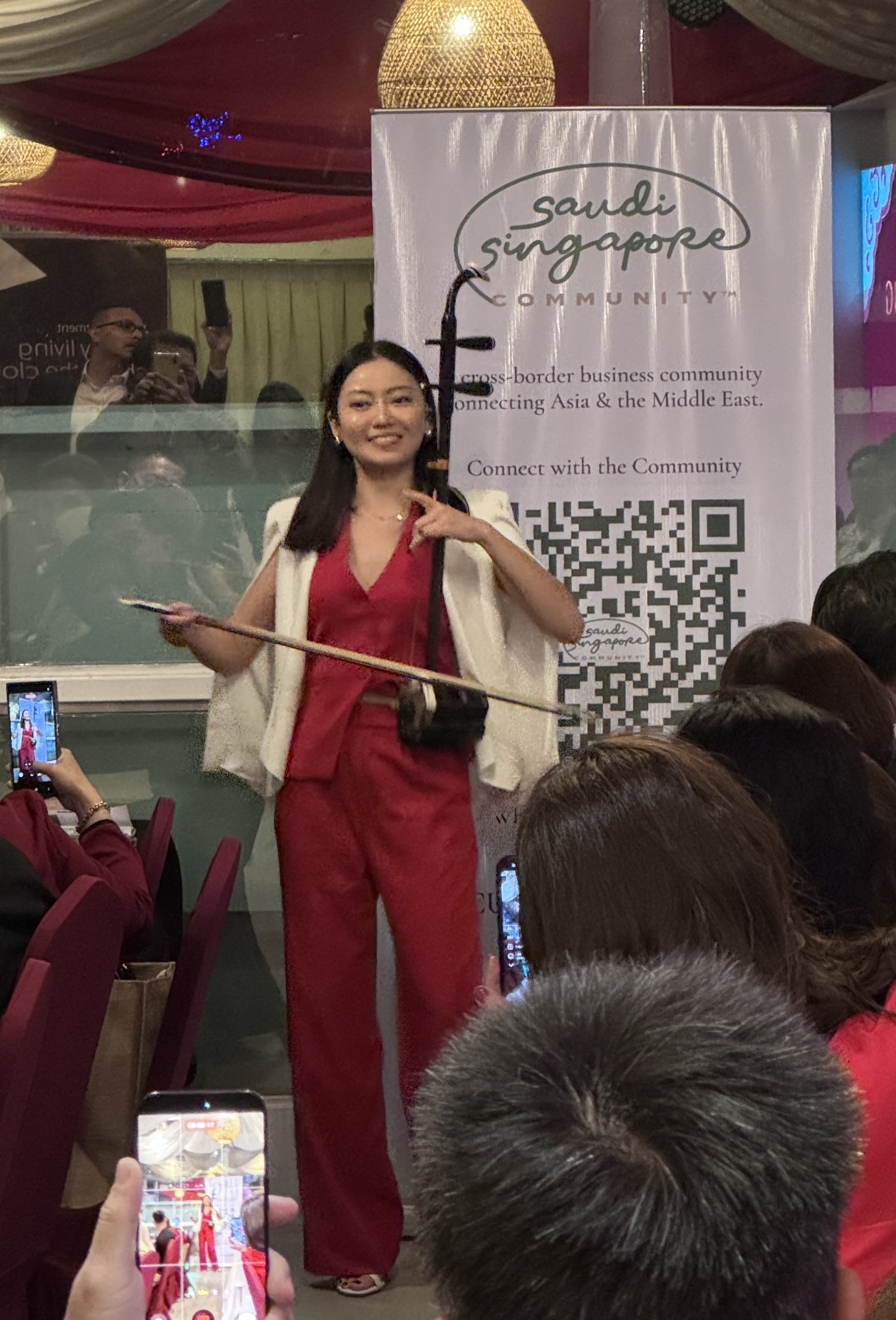
The Erhu performance by Calista Liaw and the thoughtfully curated halal dining experience added a cultural layer. But the real programme was happening between courses, where conversations stretched longer than intended and business talk quietly replaced small talk.
Why Saudi Keeps Coming Up
Across tables, similar observations surfaced again and again.
Saudi Arabia is no longer discussed as a distant or speculative market. Businesses are watching changes driven by Vision 2030: stronger consumer spending, expanding tourism, digital adoption, and growing demand for international expertise in sectors like education, logistics, and services.
For many ASEAN businesses, the question is no longer whether to look at the Gulf. It is how to enter without learning every lesson the hard way.
That explains why smaller, curated gatherings like this matter. People exchange what rarely appears in reports. What worked. What failed. Who to speak to. Who not to.
Culture Still Does the Heavy Lifting
What the evening quietly demonstrated is something often overlooked in trade conversations.
Cross-border business rarely begins with transactions. It begins with familiarity.
Shared meals, repeated encounters, and trusted introductions reduce uncertainty long before contracts appear. Events like this function less as celebrations and more as informal infrastructure for a corridor still finding its rhythm.
Why It Matters
The Saudi–Singapore relationship is evolving beyond government-led engagement. Increasingly, momentum is coming from private networks, entrepreneurs, and intermediaries willing to navigate both cultures in real time.
The Lo Hei gathering was a small event. No announcements. No staged deals. Just conversations that continued even as people stood up to leave.
And sometimes, that is how corridors actually form.
Not at conferences. But over dinner, when people stop presenting and start speaking honestly.